Container ship and cranes at a cargo port representing export-import trade from India

Global Trade Support

DGFT Consultant and Export-Import Advisory for Businesses in India

Exporting from India comes with schemes that can save real money, but each one has conditions and deadlines. Miss an export obligation or let a record go out of date, and the benefit you counted on can be taken back. As an export import consultancy, we help importers and exporters set up the right schemes, keep them in good standing and follow the rules as the Foreign Trade Policy changes.

  • Help with getting and keeping your import export code
  • EPCG scheme and advance authorisation, explained and set up
  • Foreign Trade Policy updates followed on your behalf

Talk to GMS About DGFT and Export-Import
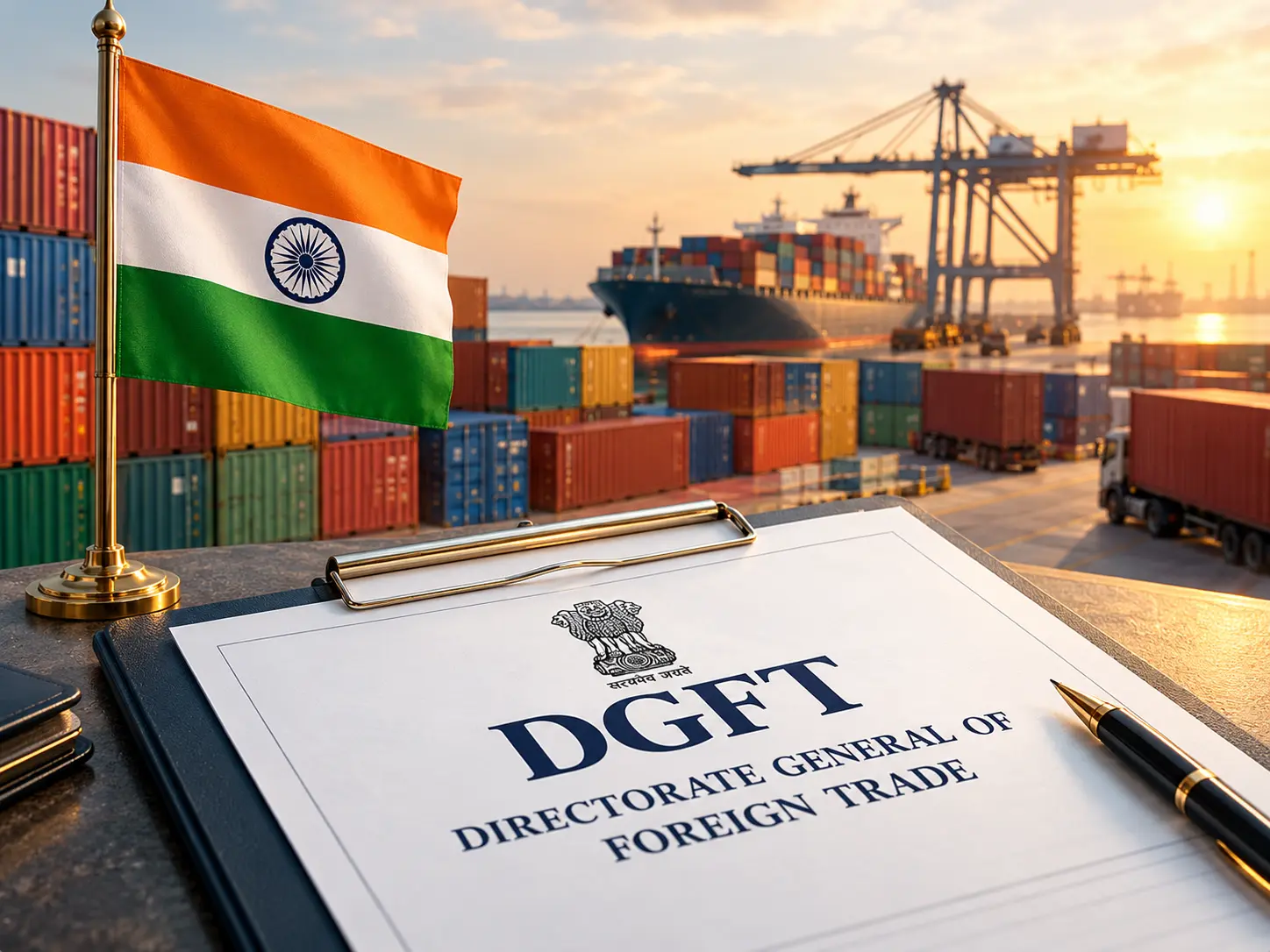
Indian flag and a clipboard marked DGFT, Directorate General of Foreign Trade, in front of shipping containers

What Is the DGFT?

The DGFT is the Directorate General of Foreign Trade, the government body that runs India's Foreign Trade Policy. It issues the import export code (IEC), decides which goods can be imported or exported freely and which need permission, and runs the export schemes that let businesses bring in inputs or machinery at reduced or zero duty.

A DGFT consultant helps you use those rules properly and keeps you on the right side of them.

Where Exporters and Importers Lose Out

  • A scheme is set up, then the export obligation is not tracked and the deadline passes.

  • The IEC details are out of date and a shipment gets stuck.

  • A business pays full duty on imports when a scheme would have cut it, because nobody told them it existed.

  • Goods need an import authorisation and the company finds out at the port.

  • Policy changes come through notices that nobody in the company reads.

The schemes are generous, which is why the conditions are strict. Handled well they are worth the effort. Handled casually they turn into a liability.
Cargo ship at a port while an exporter reviews and signs shipping documents

What We Cover

  • Import Export Code and Setup

    Almost every business that imports or exports goods needs an import export code, issued through the DGFT. We help you apply, check that your details are correct and keep them updated, so a stale record never holds up a shipment. For new exporters we also look at what comes next: registration with an export promotion council, banking for export proceeds and the documents each shipment needs.

  • EPCG Scheme

    The EPCG scheme lets a business import capital goods at reduced or zero customs duty, in return for an export obligation to be met within a set period. It can cut the cost of new machinery a lot. It also ties you to export targets, so we help you work out whether the EPCG scheme suits your plans before you apply, prepare the EPCG license application and set up a way to track the obligation.

  • Advance Authorisation

    Under advance authorisation, the raw materials and components that go into products you export can be imported duty free, based on norms for how much input each product uses. It suits manufacturers with steady export orders. We help check eligibility, prepare the application and keep the paperwork aligned with what you actually import and ship.

  • Export Incentive Schemes

    Beyond the two big schemes, exporters may be able to claim remission of duties and taxes through RoDTEP, duty drawback and other benefits under the Foreign Trade Policy. We check which ones apply to your products and make sure the claims are backed by the right records. Duty drawback and the customs side of these claims sit in our customs compliance work.

  • Import Licences and Restricted Items

    Some goods can be imported freely, some need an authorisation and some are not allowed at all. We check the policy position for your product before you order, so you do not discover it when the goods arrive.

  • Ongoing Export-Import Compliance

    Getting a scheme is the easy part. Keeping it means tracking export obligations, closing authorisations properly, realising export proceeds on time and following policy notices as they come out. We act as the person in your business who keeps up with all of that, and flag what needs attention before it becomes a problem.

How an Engagement Works

  1. You tell us what you import and export, and which schemes you use or are thinking about.

  2. We review your current position: IEC, authorisations, obligations and records.

  3. We tell you which schemes fit your business and which do not.

  4. We prepare applications and set up a simple tracker for each obligation.

  5. We follow policy changes and keep you informed of anything that affects you.

Container ship loading at a port, representing the practical export-import points that catch businesses out

Practical Points That Catch People Out

These sound like small admin. Each one has cost a company money.

  • The export obligation under an EPCG authorisation has a deadline, and missing it can mean paying the duty back.

  • The Foreign Trade Policy and its procedures are updated through notices, so last year's advice may no longer be right.

  • Export proceeds have to be received within a set time, which links DGFT matters to FEMA compliance.

  • Records for imports and exports need to match each other, or closing an authorisation becomes difficult.

  • IEC details need to stay current, including bank and address information.

Who We Help

  • New exporters and importers who need an IEC and a proper setup

  • Manufacturers importing machinery or inputs who want to use EPCG or advance authorisation

  • Traders and merchant exporters who want to claim the benefits they qualify for

  • Companies that already hold authorisations and need help tracking obligations

  • Foreign businesses that supply to or buy from Indian exporters

Consultant explaining export-import schemes to a client at a desk with a globe and documents

Why Work With GMS

Ganpati Management Services (GMS) has been advising businesses since 2009. As an export import consultancy and DGFT consultant, we explain the schemes in plain language, tell you which ones are worth using and help you keep them in good standing.

You get one named contact who stays with your account, not a different person on each call, and fees are based on what you need, not on a fixed package.

Where a matter needs a chartered accountant, a customs broker or a lawyer, we work with yours or bring one in.

Frequently Asked Questions

A DGFT consultant helps you understand and use India's Foreign Trade Policy. That includes getting an import export code, applying for schemes such as EPCG and advance authorisation, tracking export obligations and keeping up with policy changes.

It is a registration issued through the DGFT that most businesses need before they import or export goods. It must be kept up to date. We can help you apply and maintain it.

It lets you import capital goods at reduced or zero customs duty, in return for an export obligation over a set period. It suits businesses that plan to export what the new machinery produces.

You apply through the DGFT with details of the goods you plan to import and your export plan. Eligibility and conditions depend on the type of goods and your business. We check them first, then prepare the application. [Confirm GMS's role in filing.]

Manufacturers and merchant exporters who import inputs that go into products they export. It allows those inputs to come in duty free, based on norms for how much input each product uses.

Benefits can be reversed, which usually means paying the duty that was saved, sometimes with interest. If you are close to a deadline, speak to us early. There may be options to put things right.

We prepare the documents and applications and work with your authorised signatory on the filing. [Confirm exactly what GMS files itself before publishing.]

Customs compliance is about duty and clearance when goods cross the border. DGFT matters are about permission and schemes under the Foreign Trade Policy. Most exporters and importers need both, and a good export import consultancy handles them together.

Container ship at a cargo port representing export-import schemes and DGFT support

Not Sure Which Schemes You Qualify For?

Tell us what you import and export and where you sell. We will say plainly which schemes are worth looking at first.

Talk About DGFT and Export-Import
Scroll to Top